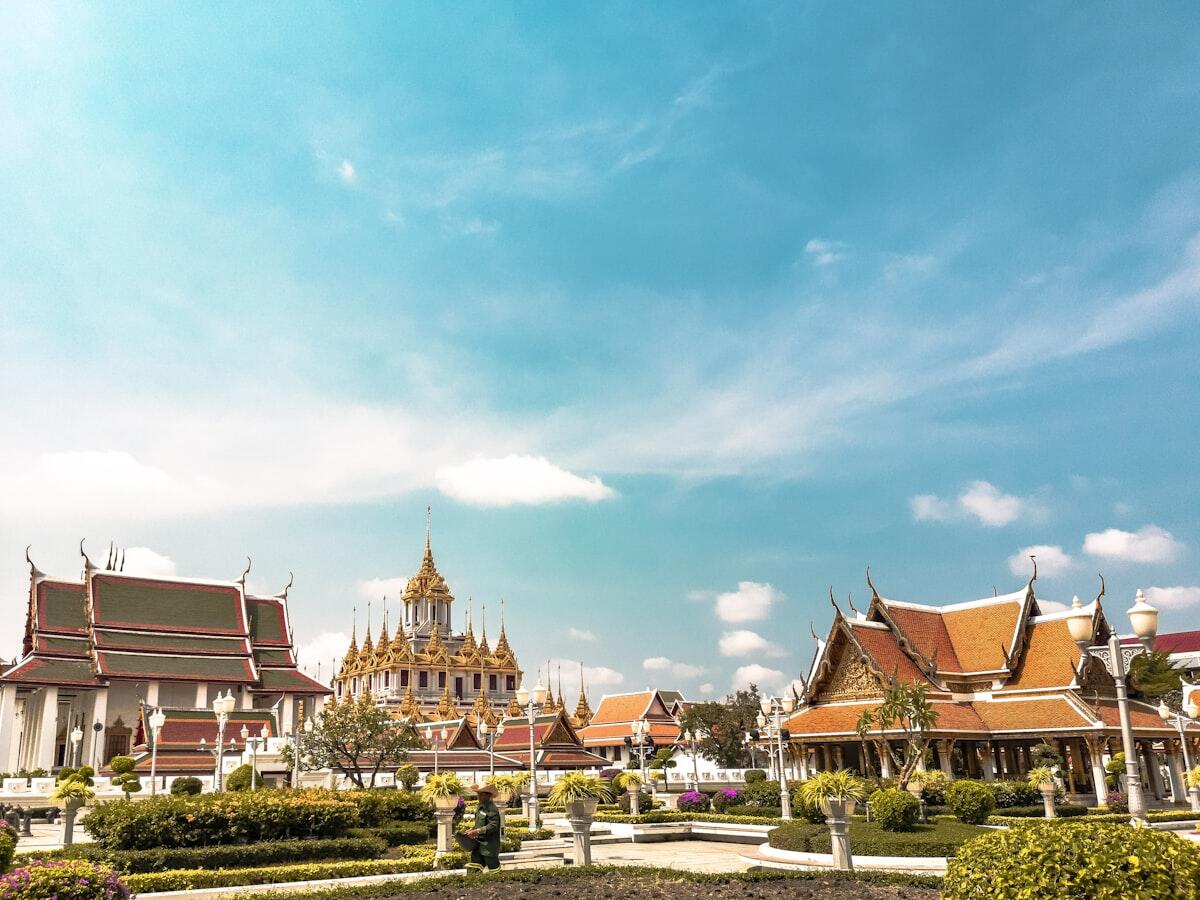
Why UK Buyers Are Looking at Koh Samui in 2026
Koh Samui is Thailand's second-largest island and, for a growing number of UK buyers, an increasingly attractive alternative to the more developed Phuket market. The island combines a mature tourism infrastructure with property prices that are often more accessible than Phuket's prime areas, and a lifestyle appeal that continues to draw both holidaymakers and long-term residents.
Several factors have brought Koh Samui onto the radar of UK property investors in 2026. The island's tourism has recovered strongly following the pandemic, with the international airport providing direct connectivity that supports both the holiday rental market and the practical accessibility that international buyers value. Property prices in many parts of Koh Samui remain below comparable Phuket locations, offering a lower entry point into the Thai property market. And the island's distinct character (quieter and more focused on wellness, nature, and a slower pace than Phuket's busier tourist centres) appeals to a specific buyer profile.
For UK buyers specifically, the appeal mirrors the broader case for Thai property: rental yields that exceed typical UK buy-to-let returns, no capital gains tax on property sales in Thailand, and an established framework for foreign property ownership. Koh Samui adds to this a price point that, in many areas, makes entry more accessible than Phuket.
This guide covers what UK buyers need to understand about Koh Samui real estate: the legal ownership framework, realistic prices and yields, the best areas to consider, how the island compares to Phuket, and the genuine risks that every buyer should weigh before committing.
Can UK Buyers Own Property in Koh Samui?
The legal framework for foreign property ownership in Koh Samui is the same as the rest of Thailand. Koh Samui is part of Surat Thani province and governed by Thai national property law. Understanding this framework is the first essential step.
Thai law prohibits foreigners from owning land outright. A UK national cannot hold the freehold title to a plot of land on Koh Samui in their own name. This is fundamental Thai property law, not a local restriction or a loophole.
However, UK buyers can access Koh Samui property through several legally established structures:
Freehold condominium ownership.Under Thailand's Condominium Act, foreigners can own condominium units on a freehold basis, subject to the rule that no more than 49% of a building's total floor area can be foreign-owned. When you buy a freehold condominium on Koh Samui, your name appears on the title deed at the Land Office. This is genuine registered ownership with full legal protection.
Leasehold ownership.Long-term registered leases (typically 30 years with contractual renewal options) allow foreigners to hold villa properties on Koh Samui. The lease is registered at the Land Office. Given that much of Koh Samui's appeal for international buyers is villa property rather than condominiums, leasehold is a particularly common structure on the island.
The reality for Koh Samui specifically:Koh Samui's property market is more villa-focused than Phuket's, which has a larger condominium sector. This means leasehold structures are especially common on Koh Samui. UK buyers attracted to the island's villa lifestyle need to understand leasehold thoroughly, because it is likely to be the structure most relevant to their purchase.
A critical point on leasehold: the common "30+30+30" structure that developers present as guaranteeing 90 years of ownership is not unambiguously supported by Thai law. The initial 30-year lease is legally enforceable when registered. The renewal options are contractual rights whose enforceability depends on the continued existence and cooperation of the entity holding the underlying land title. This is not a reason to avoid leasehold, but it is a reason to take independent legal advice and to understand exactly what you are buying.
For the complete legal framework on foreign property ownership in Thailand, read our can foreigners buy property in Phuket legal guide. The legal principles apply equally to Koh Samui.
Koh Samui Property Prices in 2026
Koh Samui offers a range of price points, generally more accessible than Phuket's prime areas while still spanning from entry-level condominiums to luxury beachfront villas.
Indicative price ranges for UK buyers (2026):
- Studio and one-bedroom condominiums: £70,000 to £150,000
- Two-bedroom condominiums: £120,000 to £280,000
- Two and three-bedroom villas (leasehold): £200,000 to £500,000
- Luxury and sea-view villas (leasehold): £450,000 to £2,000,000+
- Premium beachfront villas: £1,000,000+
These figures are approximate and vary significantly by location, proximity to the beach, sea views, build quality, and the specific development. Sea-view and beachfront properties command substantial premiums over inland equivalents.
Koh Samui's price advantage over Phuket is most apparent in the mid-market villa segment. A villa that would command a premium price in Phuket's sought-after west coast areas can often be found at a more accessible price point on Koh Samui, which is part of the island's appeal to value-focused UK buyers.
The Best Areas in Koh Samui for Property Investment
Koh Samui is not a single market. Different areas have distinct characters, price points, and rental demand profiles. Understanding the areas is essential for matching a property to your investment objectives.
Chaweng
Koh Samui's main tourist hub and busiest area. Chaweng has the island's longest beach, the most developed nightlife, restaurants, and shopping. Strong short-term rental demand driven by the high tourist footfall. Property here suits investors optimising for short-term holiday rental yield. Prices are among the higher on the island for the central locations.
Bophut and Fisherman's Village
A more upscale, characterful area centred on the charming Fisherman's Village. Popular with a slightly older, higher-spending demographic and the wellness-focused visitors Koh Samui attracts. Strong appeal for boutique villa investment and quality condominiums. Considered one of the more stable and desirable areas for international buyers.
Maenam
A quieter, more traditional area on the north coast, increasingly popular with buyers seeking a calmer environment and better value. Maenam has seen significant villa development aimed at international buyers and long-stay residents. Lower price points than Chaweng or Bophut, with growing rental demand from the long-stay market.
Lamai
The island's second-largest tourist area after Chaweng, with a beach and tourist infrastructure but a more relaxed character. Good rental demand at generally lower price points than Chaweng. A practical choice for investors balancing rental yield with a more accessible entry price.
Choeng Mon
An upscale, quieter area near the airport with beautiful beaches and a number of luxury developments and resorts. Appeals to higher-end buyers and commands premium prices. Strong appeal for luxury villa investment.
Bang Por and the North West
Quieter, more residential areas with strong appeal for buyers seeking peaceful surroundings and value. Less tourist density but growing long-term rental and lifestyle buyer interest.
The right area depends on your objective. Short-term holiday rental yield favours Chaweng and Lamai. A balance of lifestyle and rental potential favours Bophut and Choeng Mon. Value and the growing long-stay rental market favour Maenam and the north.
Considering Koh Samui property? JT Investments works exclusively with UK buyers across our Thailand portfolio. Free consultation with ACCA-registered advisers, no obligation.
Koh Samui Rental Yields: What UK Investors Can Expect
Rental yield is a primary consideration for most UK investors. Here is the honest picture for Koh Samui.
Gross rental yields on Koh Samui typically range from 5% to 10% depending on location, property type, and management arrangement.
This compares favourably with most UK buy-to-let markets, where gross yields generally range from 4% to 7%. But as with any rental yield figure, the gross number requires significant qualification before it is useful.
Key factors that affect actual Koh Samui yields:
Seasonality.Koh Samui's tourism is seasonal, though the pattern differs from mainland Thailand and Phuket. The island's weather pattern means its rainy season peaks later in the year (October to December), with the high season running roughly from December to April and a second strong period over the European summer. Understanding the specific seasonal pattern of Koh Samui (which differs from Phuket) matters for projecting realistic occupancy.
Management costs. Short-term holiday rental management on Koh Samui typically costs 20-35% of gross rental revenue, covering platform management, cleaning, guest services, and maintenance. Net yield after management is materially lower than the gross figure.
Property type. Villas with private pools command premium nightly rates and strong demand from the family and group market that Koh Samui attracts. Condominiums offer lower management overhead but generally lower nightly rates. The yield profile differs significantly between the two.
The long-stay market. Koh Samui has a growing long-term rental market driven by remote workers, retirees, and lifestyle residents. Long-term lets produce lower headline yields than peak-season holiday rentals but offer more stable, predictable occupancy with lower management costs and void periods.
Realistic net yields: A Koh Samui property with an 8% gross yield headline typically produces a net yield of 5-6% after management fees, maintenance, and realistic occupancy. This remains attractive relative to UK buy-to-let but is a materially different figure from the gross headline.
JT Investments provides realistic net yield projections based on verified rental data for comparable properties, not developer marketing figures.
Koh Samui vs Phuket: Which Is Right for UK Buyers?
This is one of the most common questions UK buyers ask when considering Thai island property. Both are strong markets with different characteristics.
Koh Samui advantages:
- Generally more accessible price points, particularly in the mid-market villa segment.
- A quieter, more wellness-focused character that appeals to a specific buyer and visitor profile.
- A more villa-focused market for buyers seeking that property type.
- Growing long-stay rental market driven by remote workers and lifestyle residents.
Phuket advantages:
- A larger, more liquid property market with more transactions and a deeper buyer pool for resale.
- A larger condominium sector for buyers who prefer freehold condominium ownership over leasehold villas.
- More developed infrastructure and a wider range of amenities.
- Higher tourist volumes supporting short-term rental demand in prime areas.
The practical distinction:
Phuket is the larger, more established, more liquid market, generally the safer choice for buyers prioritising resale liquidity and freehold condominium ownership. Koh Samui offers more accessible entry prices, a distinct lifestyle appeal, and a villa-focused market, attractive for buyers drawn to that specific character and willing to accept a smaller, less liquid market.
Neither is universally better. The right choice depends on the buyer's budget, property type preference, lifestyle priorities, and attitude to liquidity. For the full picture on the Phuket market, read our Phuket property investment guide for UK buyers.
JT Investments works across both markets and gives UK buyers an honest assessment of which island fits their specific objectives rather than steering them toward one regardless of fit.
The Buying Process for Koh Samui Property
The buying process for Koh Samui property follows the same framework as elsewhere in Thailand, with the same essential legal protections.
Step 1: Independent legal due diligence
Before any deposit, engage an independent Thai lawyer to verify the title, confirm the ownership structure, check the foreign ownership quota (for condominiums), and review the contract. This step is non-negotiable.
Step 2: Reservation agreement and deposit
A reservation agreement secures the property while due diligence and the formal contract are prepared. Reservation deposits are typically £2,000-£5,000 or equivalent.
Step 3: Sales and purchase agreement
The binding legal contract, reviewed by your independent Thai lawyer before signing. For leasehold villa properties especially common on Koh Samui, scrutinise the lease terms and renewal provisions carefully.
Step 4: Fund transfer and FET documentation
Funds must be transferred from outside Thailand in foreign currency to qualify for freehold condominium ownership. The bank issues a Foreign Exchange Transaction (FET) form documenting the transfer, a legal prerequisite for freehold title registration.
Step 5: Title transfer at the Land Office
Title transfer takes place at the Koh Samui Land Office. Transfer taxes and fees apply. For freehold condominiums, the title deed is issued in the buyer's name. For leasehold, the lease is registered against the land title.
JT Investments coordinates the entire process for UK buyers, including introductions to independent Thai lawyers and guidance through the fund transfer requirements.
The Risks of Koh Samui Property Investment
JT Investments believes honest risk disclosure produces better-informed buyers and better outcomes. These are the genuine risks of Koh Samui property investment.
Liquidity risk
Koh Samui is a smaller, less liquid property market than Phuket. The pool of buyers for any specific property is narrower, and resale can take longer, potentially 12-24 months or more in less favourable market conditions. Investors should not commit capital they may need at short notice.
Developer risk on off-plan purchases
Off-plan property carries the risk that the developer does not complete as specified, completes late, or becomes insolvent. Thailand's developer regulation is less mature than the UK's, with no equivalent of NHBC warranty protection. Thorough developer due diligence is essential.
Leasehold renewal uncertainty
Given Koh Samui's villa-focused market, many UK buyers will purchase leasehold property. The enforceability of leasehold renewal options beyond the initial registered 30-year term carries genuine legal uncertainty that should be understood and priced into the investment decision.
Currency risk
A UK buyer purchasing in Thai Baht is exposed to GBP/THB exchange rate movements affecting both rental income and the eventual sterling value of the property on sale.
Seasonality and occupancy risk
Koh Samui's tourism is seasonal, and rental income projections that assume high occupancy year-round will overstate returns. Realistic occupancy assumptions are essential for accurate yield projection.
Infrastructure and development risk
As an island, Koh Samui faces specific infrastructure considerations (water supply, waste management, and the pace of development) that can affect specific locations. Understanding the infrastructure context of a specific property's location matters.
JT Investments assesses these risks for every property in our Koh Samui portfolio and is transparent with UK buyers about the risk profile of any specific investment.
Why UK Buyers Use JT Investments for Koh Samui Property
JT Investments is the property investment arm of Jones and Thomas, an ACCA-registered accountancy practice. Our Thailand portfolio, covering both Phuket and Koh Samui, is curated specifically for UK buyers.
Every property in our portfolio is verified for title status, legal ownership structure, and developer track record before we present it. Our ACCA-registered advisers understand the UK tax treatment of overseas property income and capital gains. We coordinate independent Thai legal advice and guide buyers through the fund transfer requirements.
We are paid by developers when sales complete, so UK buyers do not pay us a fee. We are transparent about this arrangement and the potential conflict of interest it creates. Our response is to be selective about which developers and developments we work with, and honest about risks, so that our reputation with UK buyers is protected over time.
For UK buyers specifically considering Koh Samui as their first Thai property investment or as an addition to a Phuket holding, our cross-island perspective helps you choose the right market and the right property for your objectives.
FAQs
Can UK citizens buy property in Koh Samui?
Yes, with the same rules as the rest of Thailand. UK citizens can own freehold condominium units (subject to the 49% foreign ownership quota per building) and hold registered leasehold interests in villas. UK citizens cannot own land outright. Given Koh Samui's villa-focused market, leasehold is a particularly common structure on the island.
Is Koh Samui cheaper than Phuket for property?
Generally yes, particularly in the mid-market villa segment. Koh Samui often offers more accessible entry prices than comparable Phuket locations, which is part of its appeal to value-focused UK buyers. Premium beachfront property on both islands commands high prices.
What rental yields can I expect on Koh Samui?
Gross yields of 5-10% are achievable in well-located properties with good management. Net yields after management fees (20-35% of gross) and realistic occupancy are typically 5-6%. Villas with private pools command premium rates from the family and group market that Koh Samui attracts.
Is Koh Samui a good investment compared to Phuket?
It depends on your priorities. Phuket is larger, more liquid, and has a deeper resale market with more freehold condominium options. Koh Samui offers more accessible prices, a distinct lifestyle appeal, and a villa-focused market. Neither is universally better. The right choice depends on budget, property type preference, and attitude to liquidity.
What is the best area in Koh Samui to buy property?
For short-term rental yield: Chaweng and Lamai. For lifestyle and quality: Bophut and Choeng Mon. For value and the long-stay market: Maenam and the north. The right area depends on your investment objective.
Do I pay UK tax on rental income from Koh Samui property?
Yes. UK residents pay UK income tax on worldwide rental income, including from Koh Samui. The UK-Thailand Double Taxation Agreement provides relief for Thai withholding tax paid. Independent tax advice is essential before investing.
Can I get a mortgage to buy property in Koh Samui?
Thai banks do not typically lend to non-resident foreign buyers for residential property. Some international and specialist lenders offer foreign currency financing, but these are less accessible than UK mortgage finance. Most UK buyers purchase Koh Samui property with cash.
How liquid is the Koh Samui property market?
Less liquid than Phuket. Koh Samui is a smaller market with a narrower buyer pool, so resale can take longer. Investors should treat Koh Samui property as a medium to long-term holding rather than a short-term position and should not commit capital they may need at short notice.
What is the minimum investment for Koh Samui property?
Entry-level condominiums start from approximately £70,000-£100,000. Villas generally start from around £200,000 for leasehold properties, rising significantly for sea-view and beachfront locations.
How does JT Investments help with Koh Samui purchases?
JT Investments verifies title and developer standing for every property in our portfolio, coordinates independent Thai legal advice, guides buyers through the fund transfer and FET documentation process, and provides ongoing support after purchase. Our advisers work exclusively with UK buyers across both Koh Samui and Phuket.
Ready to explore Koh Samui real estate? JT Investments' ACCA-registered advisers work exclusively with UK buyers across our Thailand portfolio. Book a free, no-obligation consultation.
Next Steps for UK Buyers Considering Koh Samui
If you are in the early stages of evaluating Koh Samui real estate, these are the practical steps we recommend.
Define your objective. Short-term holiday rental yield, long-term capital appreciation, a lifestyle property with rental potential, or a combination. The answer shapes which areas, property types, and ownership structures suit you.
Decide between Koh Samui and Phuket, or consider both. If you are choosing between the two islands, weigh liquidity (Phuket), price and lifestyle (Koh Samui), and property type preference. JT Investments can help you assess which fits your objectives.
Understand your tax position. Before any overseas property investment, understand how rental income and eventual capital gains will be taxed in the UK. Professional tax advice produces material financial benefit here.
Allocate appropriate capital. Koh Samui property, being less liquid than Phuket, is best treated as a medium to long-term holding. The capital you invest should not be needed at short notice.
Take independent legal advice in Thailand. Every purchase should involve an independent Thai lawyer reviewing the title and contract, particularly important for the leasehold villa structures common on Koh Samui.
JT Investments supports UK buyers through every stage, from choosing between islands through legal coordination, tax adviser introductions, and ongoing ownership management. Our free consultation is the starting point.
JT Investments is the property investment arm of ACCA-registered Jones and Thomas. We work exclusively with UK buyers investing in Koh Samui, Phuket, and Dubai. No buyer fees. Free initial consultation.
This article is for informational purposes only and does not constitute financial or investment advice. Property investment carries risk including the potential loss of capital invested. Past performance and rental yield data are not reliable indicators of future performance. JT Investments recommends that all buyers obtain independent financial, legal, and tax advice before making any investment decision. JT Investments receives fees from property developers on successful introductions.
This article is for general information only and does not constitute regulated financial or investment advice. Past performance is not a guarantee of future results. All investment involves risk and your capital is at risk. Investment decisions should be made with independent financial advice. JT Investments does not provide regulated financial advice.
Ready to Invest with Confidence?
Speak with our ACCA-registered investment specialists. Free consultation, no obligation — just expert guidance tailored to your goals.